
Emotional cut-off can be considered a strength, but it isn’t. It is a survival strategy that calcifies into a lifestyle when no other options feel safe. It looks calm, decisive, even mature from the outside. Internally, it is usually panic managed through disappearance. And at others, an emotional manipulation to garner attention.
Family systems theory describes emotional cut-off as the act of reducing or severing emotional contact with family members to manage unresolved tension, anxiety, or threat. People do not cut off because they are cold. They cut off because proximity feels intolerable.
This matters because cut-off does not resolve the original conflict. It freezes it. The cost is paid later, often in identity confusion, relationship instability, or chronic anger that cannot find its source. What we may decide in anger can come back to haunt us in sinister ways.
What emotional cut-off actually is
Emotional cut-off happens when:
- Expression feels unsafe or futile.
- Power dynamics are rigid and unchangeable.
- The individual cannot differentiate themselves without punishment.
- Loyalty is demanded at the expense of autonomy.
- There is a wish to stop abuse or neglect from continuing.
Cut-off is often the last available move when negotiation, repair, and boundary-setting have repeatedly failed. It is not necessarily a preference, but an adaptation. Whether or not this is forced remains to be seen.
Why high-profile families make this worse
Fame amplifies family dynamics rather than changing them. Public families add three accelerants:
- Image management replaces honest communication.
- Hierarchy hardens because power is institutional, not relational.
- Narrative control punishes dissent more than silence ever could.
In those conditions, emotional cut-off becomes not just understandable, but predictable.
Brooklyn Beckham
Brooklyn Beckham’s apparent distance from his parents has been framed as immaturity, influence from a partner, or ingratitude. That reading is lazy and cannot account for the full story.
In highly managed families, identity is often pre-written. When individuation threatens the brand, the system applies pressure. If a young adult cannot exist as themselves without being pulled back into a role, distance becomes the only viable differentiation tool.
Cut-off here is not rebellion. It is an attempt to claim adulthood and identity when the family structure does not permit it. For me, this does seem to fit for what we know about the ongoing story. And do men sometimes seek to protect their wives from upset if there is perceived conflict without managing the complexity of the dynamics? Yes.
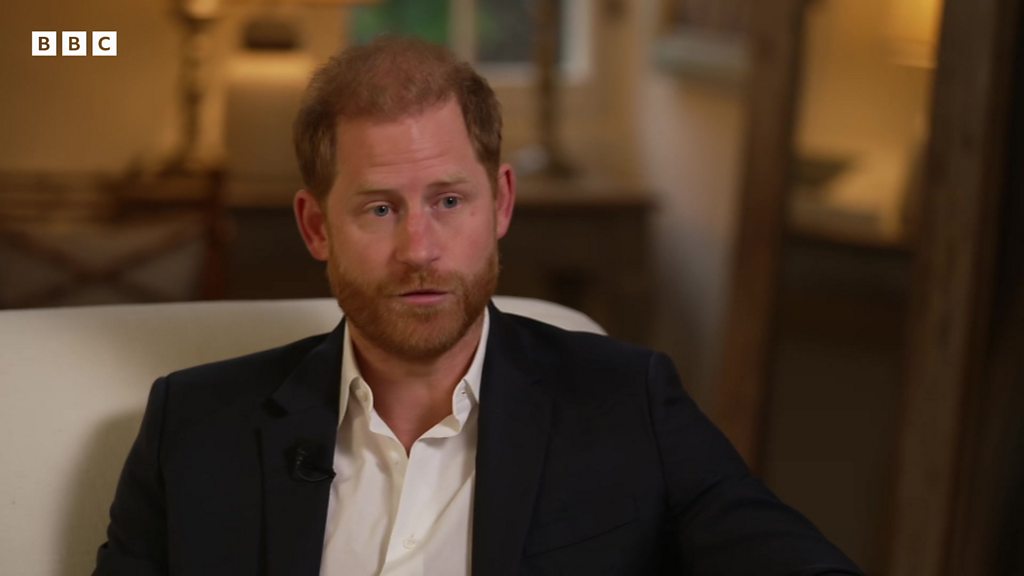
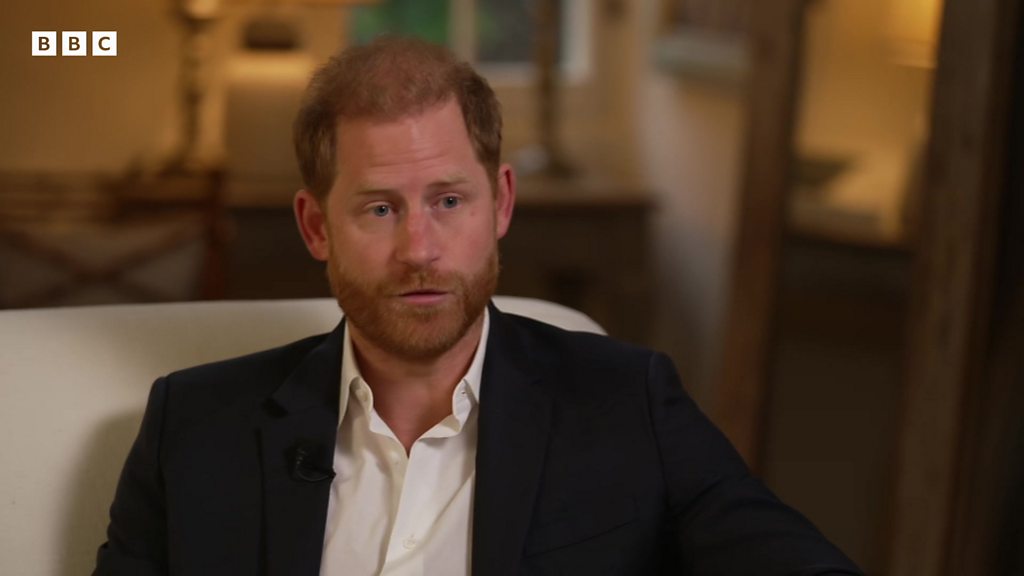
Prince Harry, Duke of Sussex
Harry’s estrangement has been reduced to oversharing, betrayal, or weakness. Again, superficial analysis.
The Royal Family is not a family in the ordinary sense. It is an institution that requires emotional suppression, narrative obedience, and symbolic sacrifice. Once Harry named psychological harm and refused continued silence, return became structurally impossible.
Emotional cut-off here is not abandonment. It is the consequence of refusing to collude with a system that prioritised continuity over care. And again, Harry has been outspoken about the impact on Megan of being in that system, but will he ultimately pay a bigger price?
The uncomfortable truth people avoid
Most observers side with the system, not the individual. Why? Because acknowledging emotional cut-off forces an admission that:
- Families can be unsafe.
- Loyalty can be coercive.
- Distance can be healthier than closeness.
People would rather call someone selfish than confront the possibility that proximity sometimes destroys. This is a defensive position from the shame of owning the fact that families are not necessarily always beautiful and caring. And that sometimes cut-off is the only permissible response to self-protect.
The hidden cost of cut-off
Cut-off stabilises anxiety in the short term. Long term, it creates problems:
- Relationships become all-or-nothing.
- Conflict avoidance masquerades as peace.
- Grief remains unresolved.
- Anger leaks sideways into unrelated areas of life.
People who cut off often believe they are free. They are not. They are contained by what they cannot safely revisit. And for those who act out in their own fear and anger, often leave a devastating impact on their relationships. If you have chosen to spill the beans publicly on very personal matters, how can trust ever be truly reinstated?
What real differentiation looks like
Differentiation is not disappearance. It is the capacity to stay emotionally present without being absorbed or erased. That requires:
- Internal clarity about values.
- External boundaries that are enforced, not explained.
- The capacity to tolerate others’ disappointment without capitulating.
Most families cannot tolerate this. They reward compliance and punish autonomy. When that happens, cut-off becomes the crude substitute for differentiation. I think that my family often struggle to process the fact that I stay in contact but don’t align with the narrative. This is doesn’t make sense to them. But for an adult, we need to know ourselves, be ourselves, and also be boundaried enough to know what we are prepared to put up with and what we are not.
A blunt conclusion
If you are condemning emotional cut-off without asking why it happened, you are siding with power, not health.
Brooklyn Beckham and Prince Harry are not cautionary tales about disloyal children. They are case studies in what happens when systems refuse to adapt and individuals refuse to disappear.
The real question is not why people walk away. It is why staying was made impossible.
If you want the next level of growth, stop romanticising reconciliation. Start interrogating the conditions required for safe connection. Until those exist, distance is not pathology. It is strategy.