
Therapeutic Schoolism, or When the Model Becomes More Important Than the Person

There is a subtle but damaging tendency in contemporary psychotherapy that rarely gets named. It is not about education, medicalisation, or institutions. It is about therapists becoming married to their therapeutic school. This can be called therapeutic schoolism. And it’s not new. In a world where there are thousands of therapeutic approaches, we have always become attached […]
Why Some People Never Quite Feel at Home

Early disruption, the nervous system, and the unfinished work of settling Some people live with a quiet, persistent restlessness. They move house more often than others. They struggle to settle into relationships or jobs. Even when life looks stable on the outside, something inside stays alert, ready to leave. They may describe this as independence, […]
Emotional Cut-Off: When Distance Becomes the Only Way to Breathe

Emotional cut-off can be considered a strength, but it isn’t. It is a survival strategy that calcifies into a lifestyle when no other options feel safe. It looks calm, decisive, even mature from the outside. Internally, it is usually panic managed through disappearance. And at others, an emotional manipulation to garner attention. Family systems theory […]
Why Spirituality Matters for Human Beings

Not as belief. Not as religion. As a necessity. This isn’t the first time you’ve heard this from me! But in an age defined by speed, consumption, and constant stimulation, spirituality is often dismissed as optional, indulgent, or outdated. Something people turn to only when life collapses or when religion has failed them. This misunderstanding […]
Why Spirituality Matters More Than Ever in Difficult Times
We are living through an era that strips people of certainty faster than they can replace it. Economic instability, political polarisation, environmental anxiety, social fragmentation, and the quiet erosion of trust in institutions have left many feeling unmoored. Mental health discourse has expanded rapidly, yet distress continues to rise. That contradiction should trouble us. I […]
Iran’s Unrest in 2026: A Collective Identity Crisis and Its Emotional Ripples

By Dr. Smith Iran is living through a convulsive moment unlike any since the mass protests of recent years. What began in late December 2025 as economic grievance — shockingly high inflation, a collapsing currency and frustration at rising costs — has now escalated into nationwide demonstrations that cut across class, region and generation. The […]
Why the Popularity of The Traitors Reveals Darker Truths About Human Nature

Scapegoating, suspicion, and our hunger to hunt difference The global popularity of The Traitors is often explained away as clever production, sharp editing, and a winning twist on the reality television format. That explanation is convenient. It avoids the more uncomfortable question. But have you ever wondered why so many people find this particular game so gripping, […]
Welcome New Subscribers! Newsletter 1/2026
Welcome New Subscribers! Exciting times for the DoctorAndrewSmith brand, and for the people showing an interest in what he has to say. Living in Divisive Times. Choosing Connection Anyway. We are living in an age of fracture. Coming back in to work today, I realised how difficult it is living around so much fracture in […]
How to Spot Cult-Like Groups: Warning Signs, Risks, and How to Choose Safe, Healthy Communities

Introduction Groups can be powerful forces for growth, healing, creativity, and belonging. Many people find genuine connection and transformation through spiritual communities, therapeutic groups, creative collectives, and personal development programmes. In fact, our brains have developed over thousands of years as a response to contact with people. However, not all groups are safe. Some groups […]
Psychotherapeutic Work with Survivors of Religious and Institutional Abuse
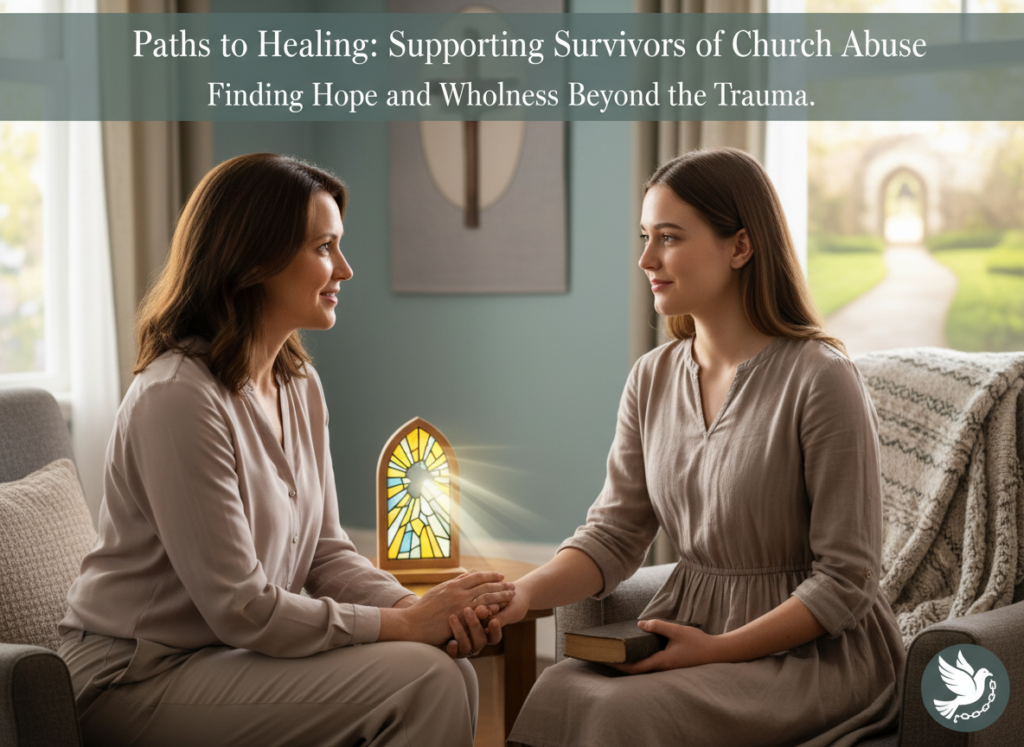
Abstract Survivors of abuse within religious institutions present with complex trauma profiles shaped not only by interpersonal violation but by institutional betrayal and spiritual injury. This article examines the distinctive clinical features of religious and Anglican-context abuse, outlines core therapeutic challenges, and proposes principles for ethical, trauma-informed psychotherapeutic practice. Particular attention is given to betrayal […]